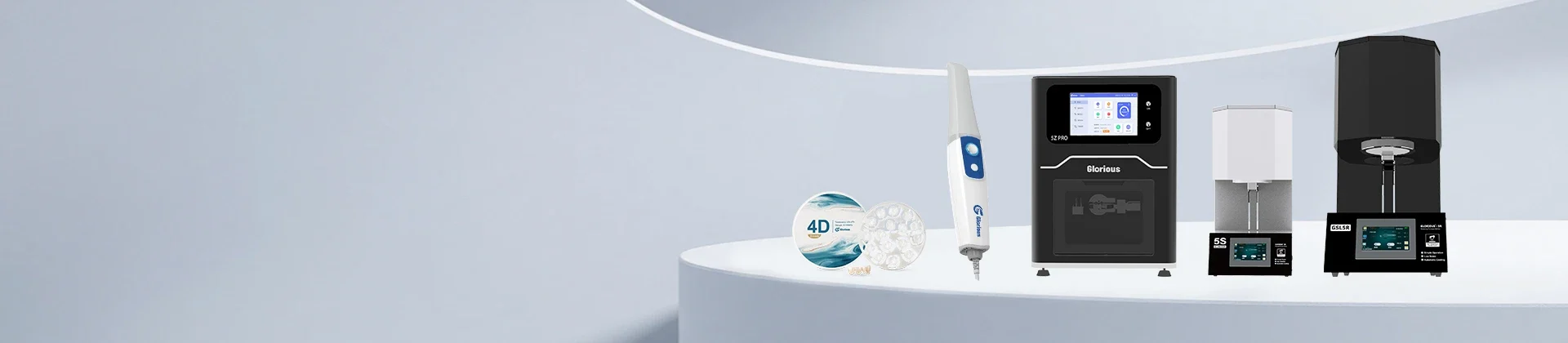
── Advanced CAD / CAM Zirconia Technology

CAD / CAM zirconia technology has become one of the most widely used solutions in modern digital dentistry. With the help of professional dental software and advanced dental equipment, dental laboratories can efficiently produce highly accurate zirconia restorations.

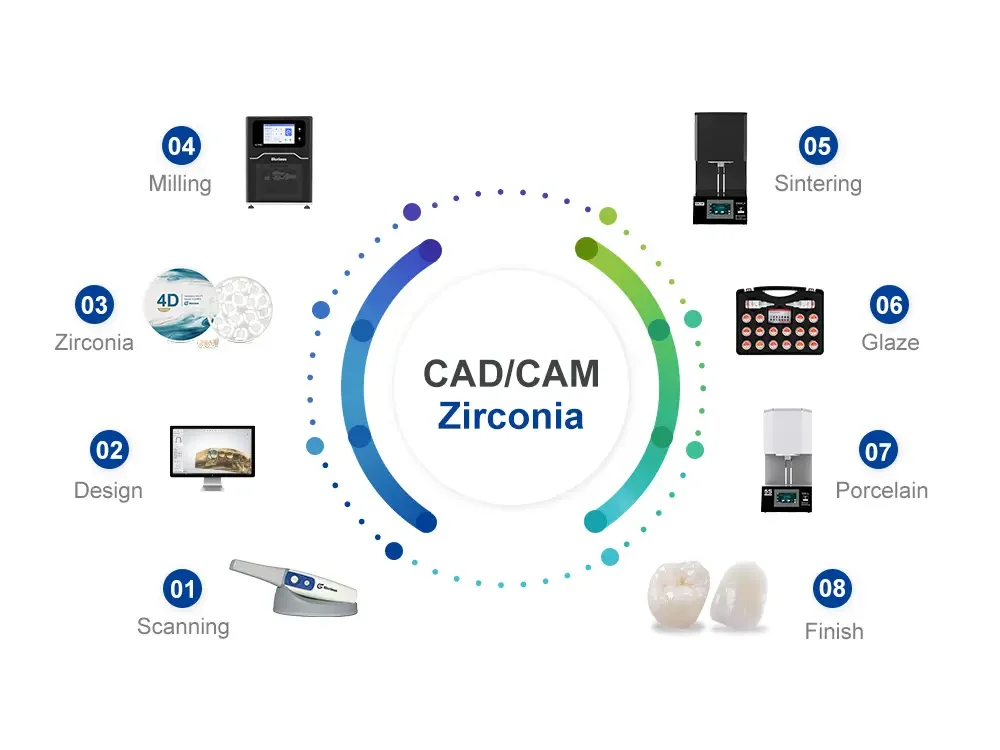
We can provide a complete CAD/CAM Zirconia system: using an intraoral scanner to accurately acquire information from the patient’s mouth and generate STL, OBJ, and PLY format files; importing the patient information file into EXOcad or 3Shape dental design software to set up customized prostheses and generate STL files.After processing, hyperdent.millbox.worknc and other files are used to generate an nc file, which is then imported into a zirconia milling machine to sculpt the pre-crystallized zirconia into the shape of a tooth. The tooth is then placed in a sintering furnace for crystallization until it is fully crystallized. A glaze is then applied to the surface of the restoration, and the restoration is placed in a porcelain furnace for crystallization. Finally, the restoration is polished to obtain the final restoration.

Our solutions are designed to deliver high precision, stable performance, and reliable material compatibility, making them ideal for dental laboratories seeking advanced digital production capabilities.

Send Inquiry

Advantage

──

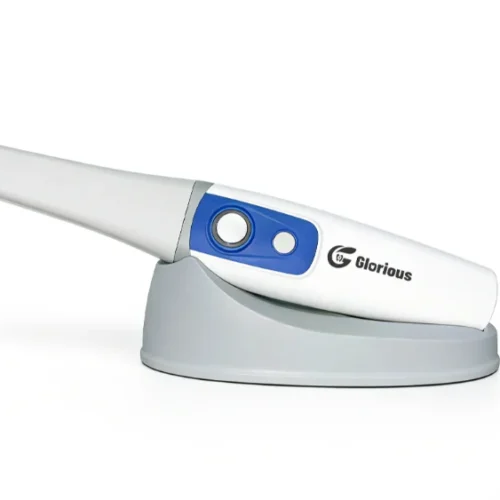
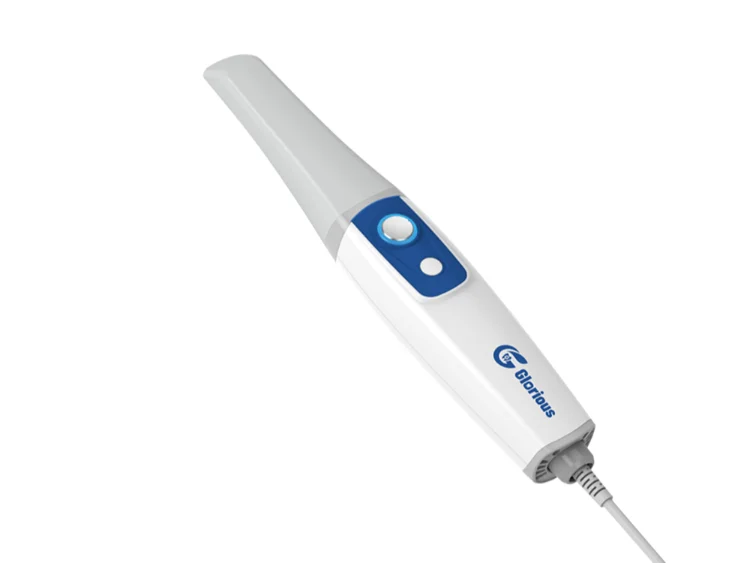
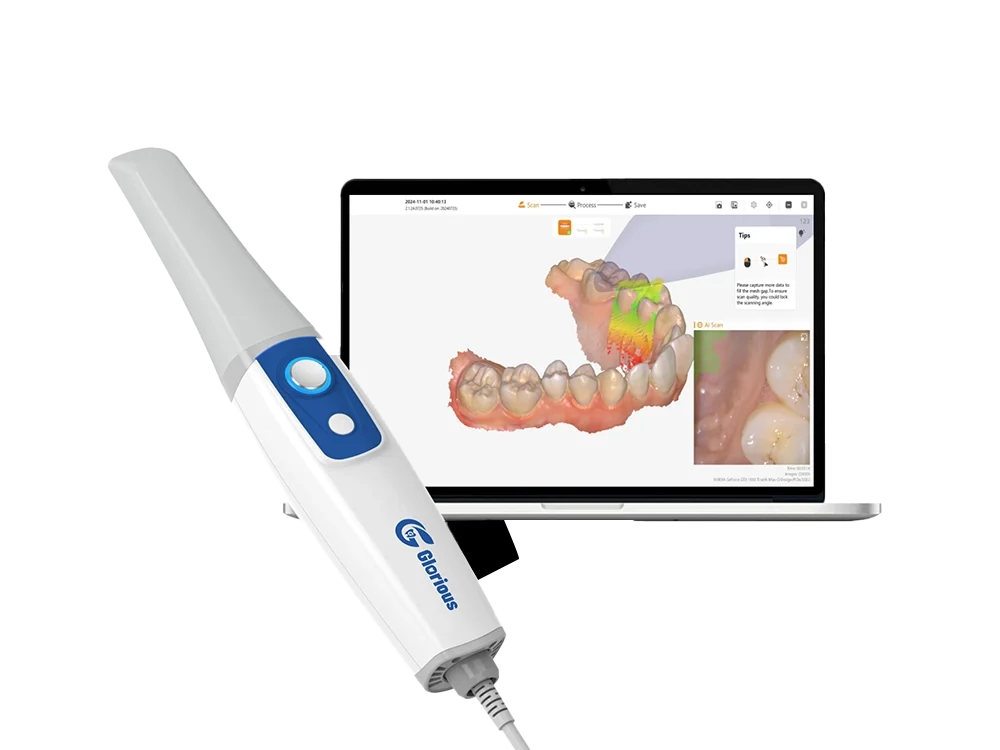
Dental Intraoral Scanner

• Data cloud platform upload 

• A full dental arch scan can be completed in 60 seconds.

• High precision: Scans up to a depth of 25 millimetres

• AI analyses occlusion /AI Oral Health Report Analysis

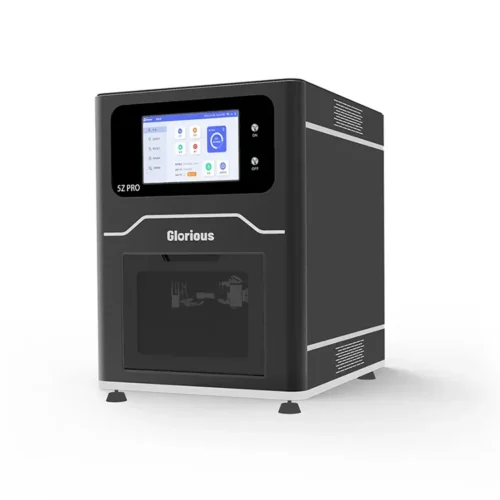
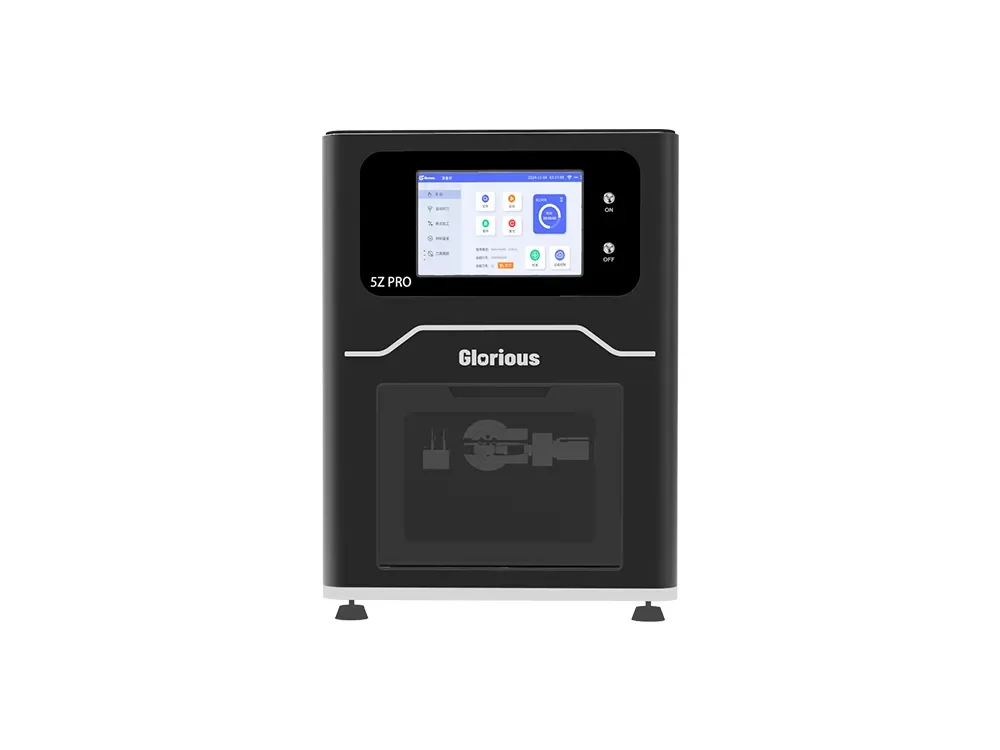
Dental Dry Milling Machine

• Spindle speed up to 60,000 RPM

• 90-degree vertical machining

• Integrated chassis for more stable operation

• Intelligent servo system, high-precision cutting

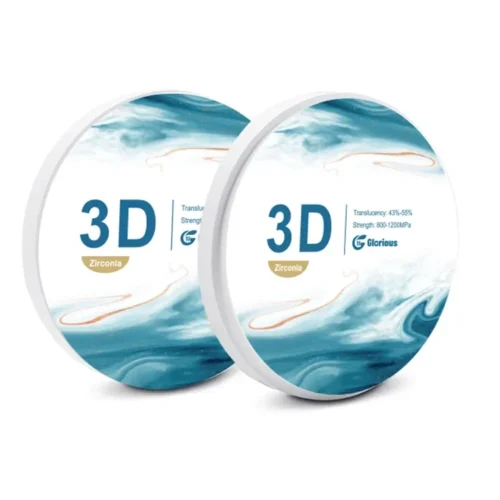
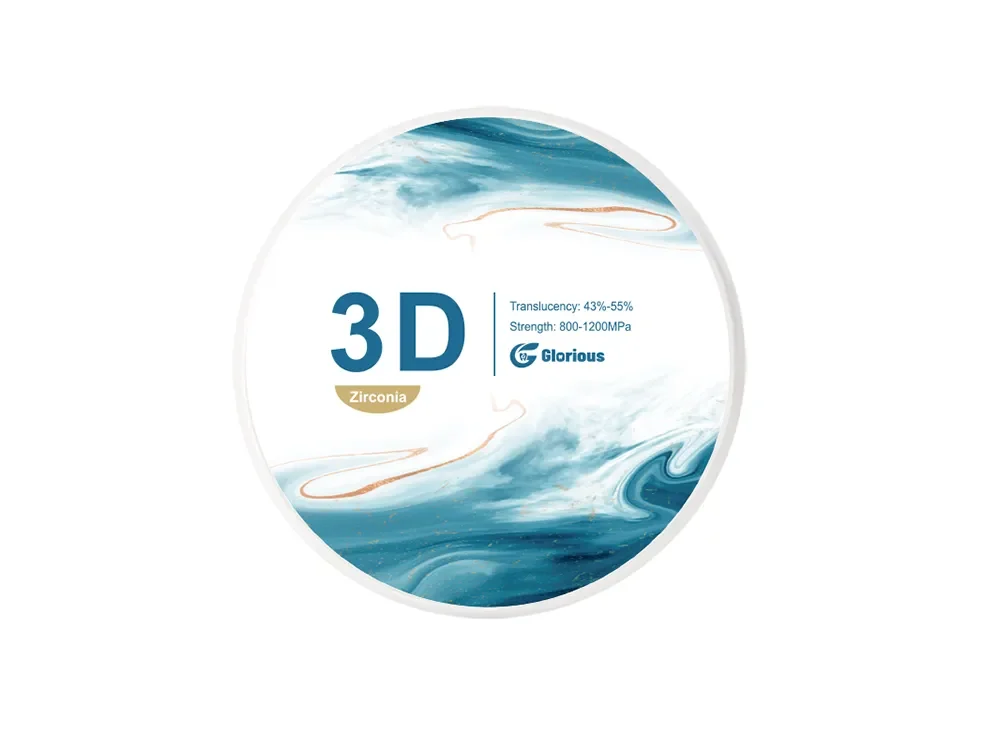
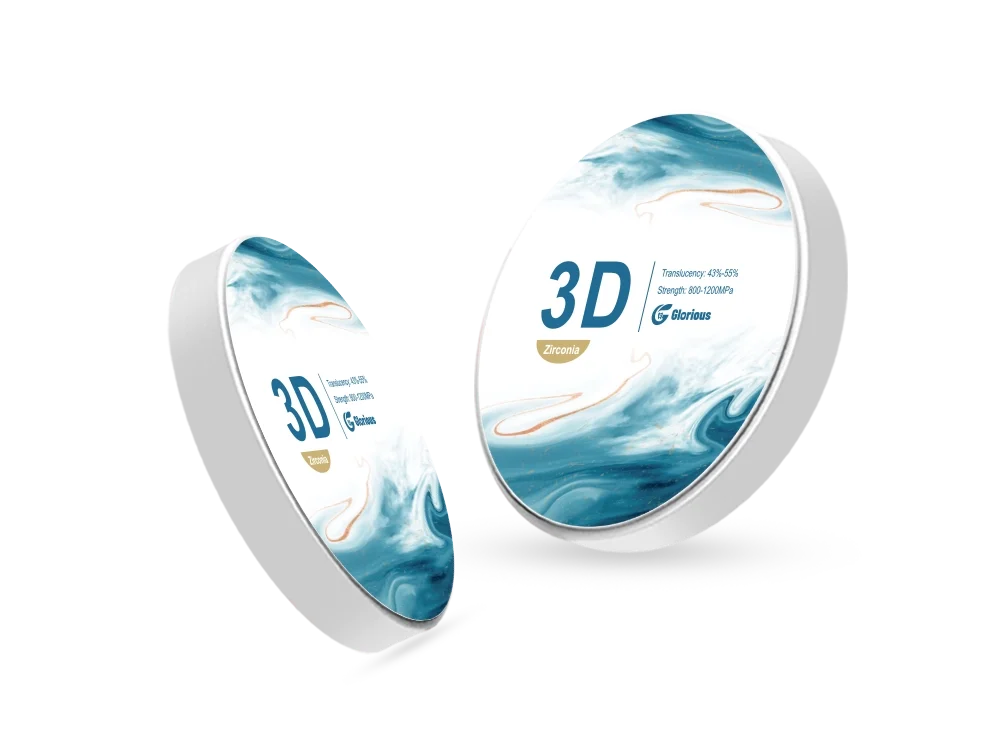
3D PRO Zirconia Block

• The colors, intensity, and transparency transition naturally.

• Balancing aesthetic simulation and functional restoration

• Hardness: 800-1200 MPa; Transmittance: 43%-55%

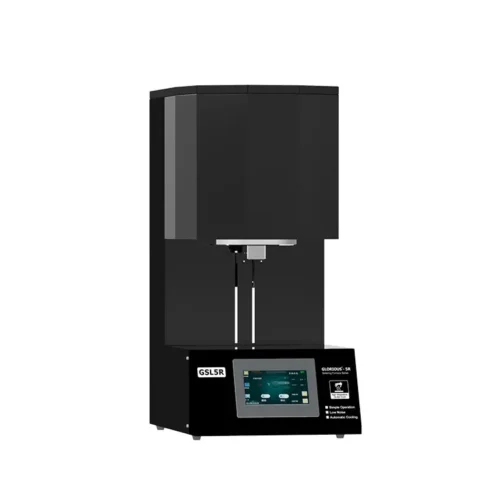
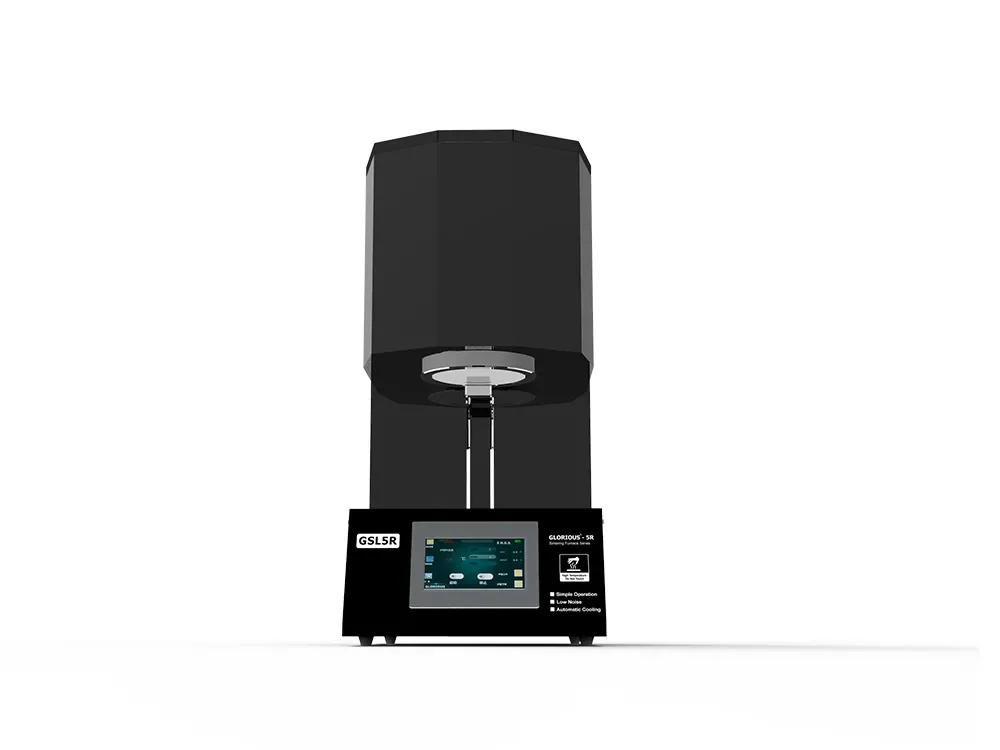
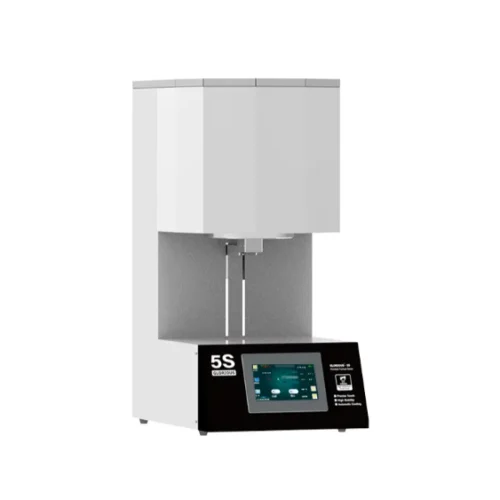
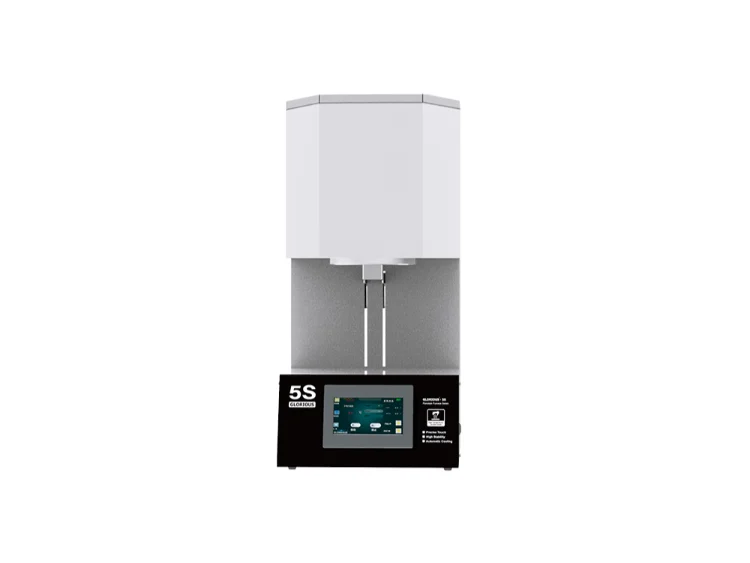
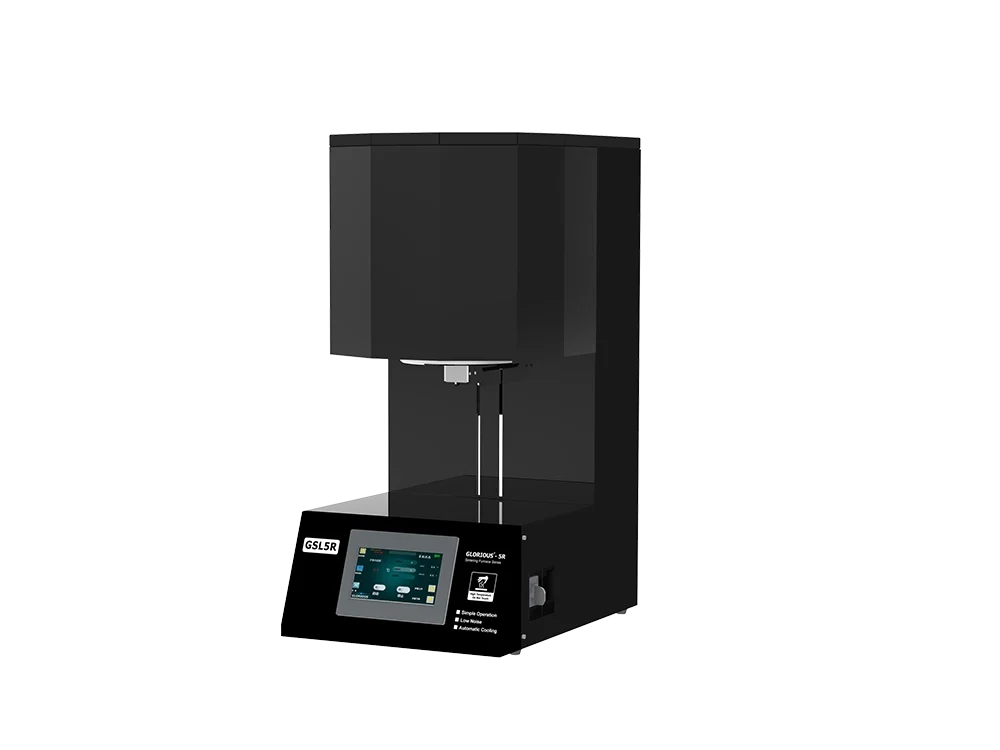
dental sintering furnace

Dental Sintering furnace

• Integrated rapid sintering and slow sintering

• Intelligent temperature control, temperature difference ±1℃

• Built-in four silicon molybdenum rods ensure more even heating.

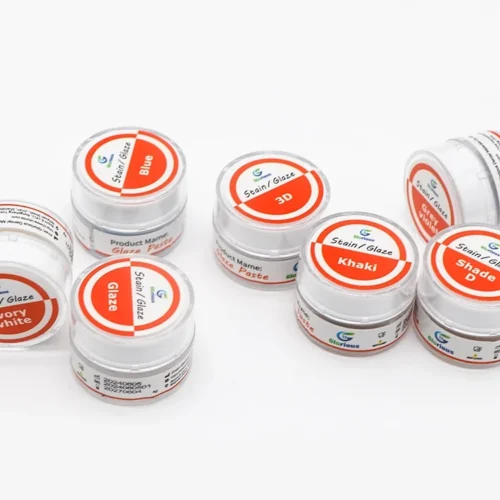
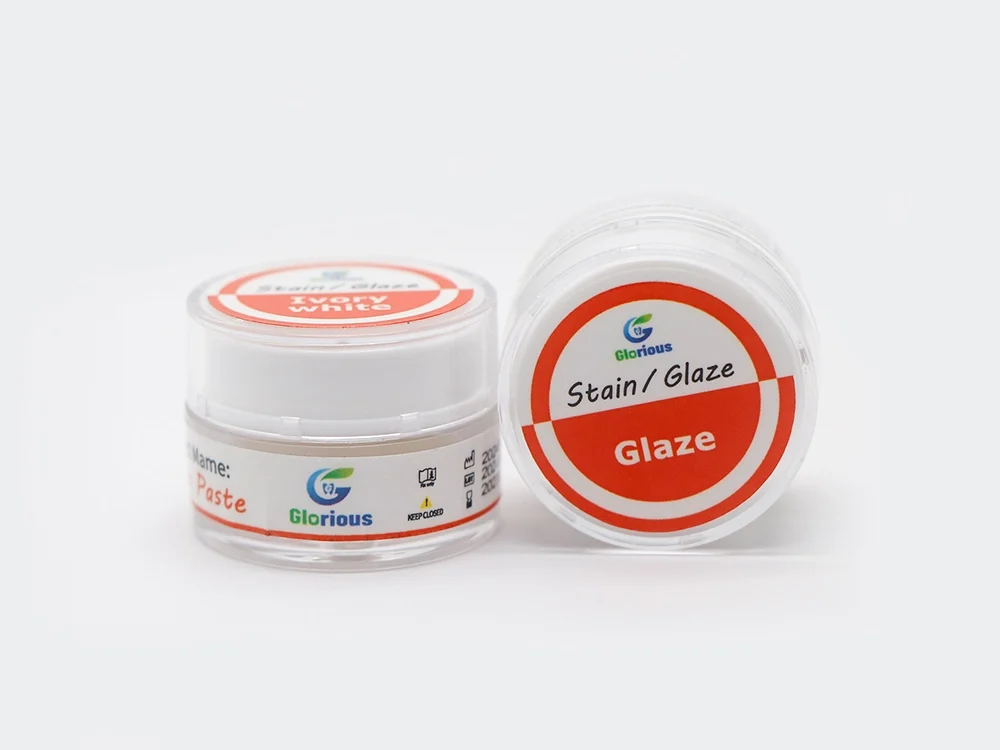
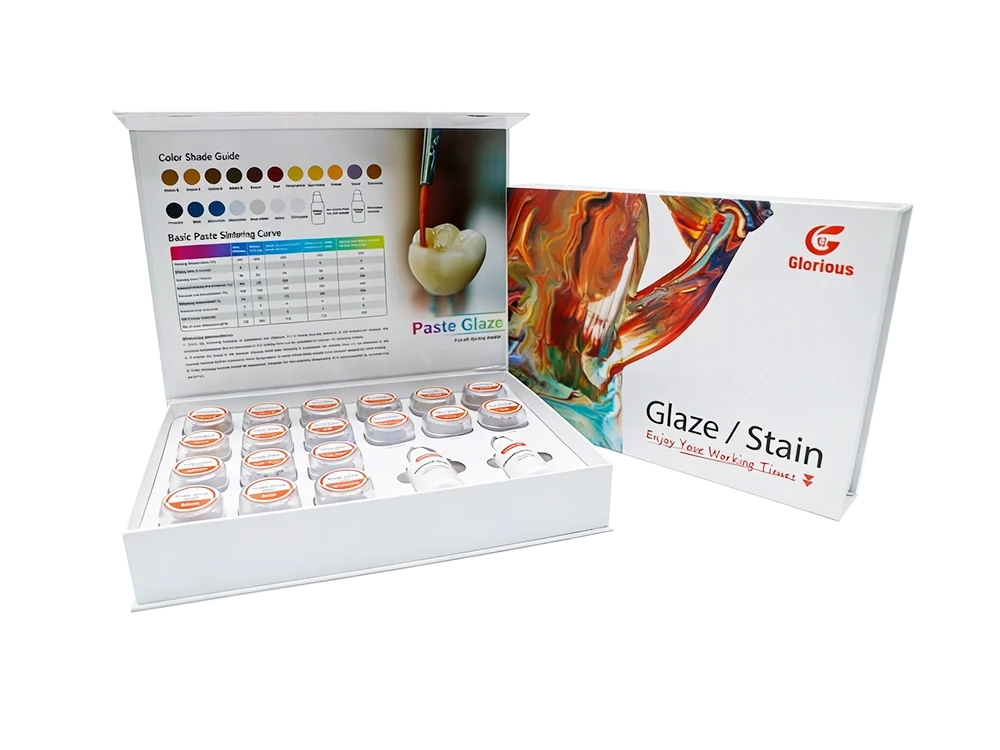
Glaze/Stain

To achieve the best aesthetic and simulation effects

Improve the gloss and roughness of the restoration surface.

Dental Porcelain Furnace

• Intelligent temperature control

• Maximum temperature 1200℃

• 100+ sintering program storage

• High-precision S-type thermocouple

Workflow
──

A typical CAD / CAM zirconia restoration workflow includes the following steps:

── Need More Information?
We're here to support you.

Our team is available 24/7 to support your dental laboratory needs.

If you would like to learn more about our dental milling machines and digital dentistry solutions, feel free to contact our specialists or send us your inquiry through the contact form.

Get a Quote Contact Us

Frequently Asked Questions
──

1.It has higher iocompatibility and less rejection by human tissues.

2.The aesthetic effect and simulation level are high, and its color and effect are closer to real teeth.

3.While maintaining aesthetic appeal, it also boasts high toughness, bending strength, and light transmittance.

4.Compared to traditional processes, zirconia requires a shorter cycle time, thus improving efficiency.

Doctor-side issues: unclear shoulder on the prepared tooth, undercuts, and insufficient preparation space, which can directly lead to poor fit and inaccurate margins

Technical issues in the lab: poor cutting accuracy and data scanning distortion can lead to crown shape deviation and poor marginal fit;

Technician-side sintering issue: unstable sintering shrinkage can cause overall deformation of the crown and edge warping.

① Insufficient space for tooth preparation and a crown that is too thin can easily fracture under force

②The occlusal high point is not levelled, causing long-term stress concentration, leading to crown fracture.

③ Wrong material used: high-transparency zirconia applied to the load-bearing area of posterior teeth, strength mismatch;

④ If sintering is incomplete, there may be microcracks inside the zirconia block, which can easily fracture later.

⑤The tooth design is inadequate, and after the crystallisation is complete, excessive grinding leads to invisible cracks