── Efficient Digital Manufacturing with Dental Printer Technology

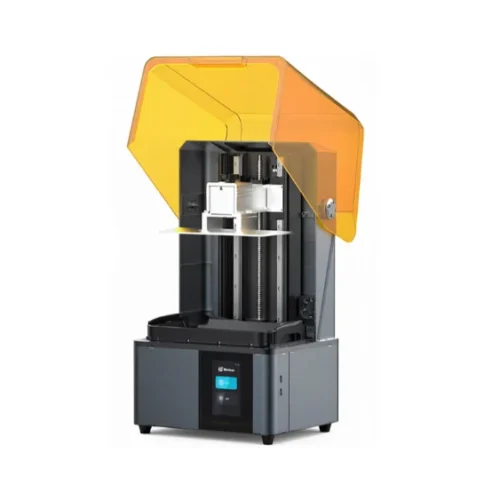
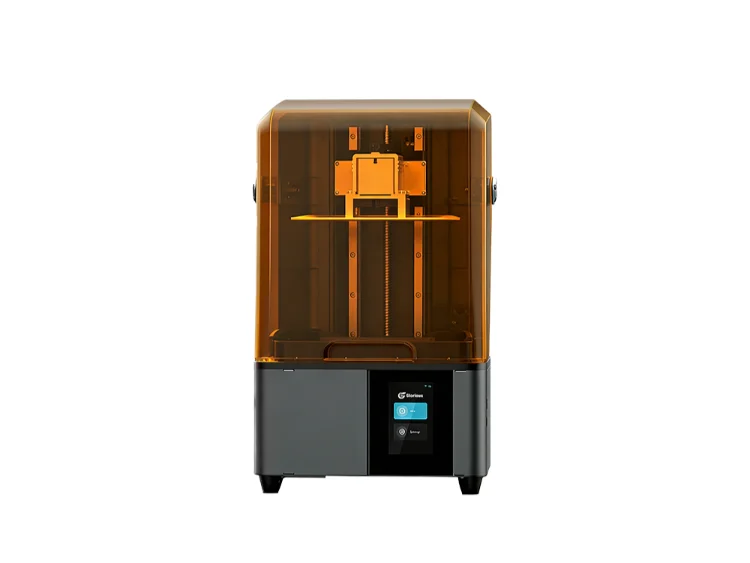
Dental printer technology has become an important part of modern digital dentistry. By integrating digital design with advanced printing systems, dental laboratories can efficiently produce highly accurate dental models and appliances.

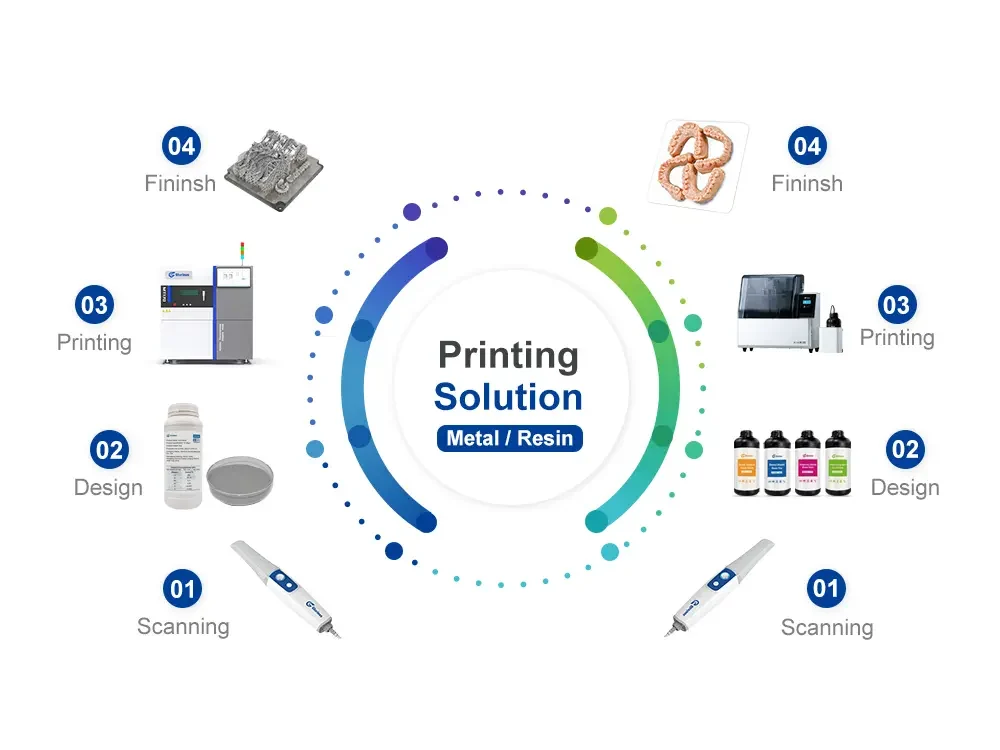
Dental Printing System: Dental 3D resin printing system: Utilizing an oral scanner to acquire intraoral information from the patient, generating files in formats such as STL, OBJ, and PLY; importing these files into EXOcad design software for customized design to generate STL files; importing the STL files into printer software for layout and slicing processing, generating printer-compatible files such as OSF; and finally, the printer converts these files into actual objects.These technologies enable dental laboratories to streamline production workflows while maintaining high precision and reliability.

Our dental printing solutions support a wide range of dental applications and help laboratories improve productivity and manufacturing efficiency.

Send Inquiry

Related products
──

View more products

Resin Printing

──

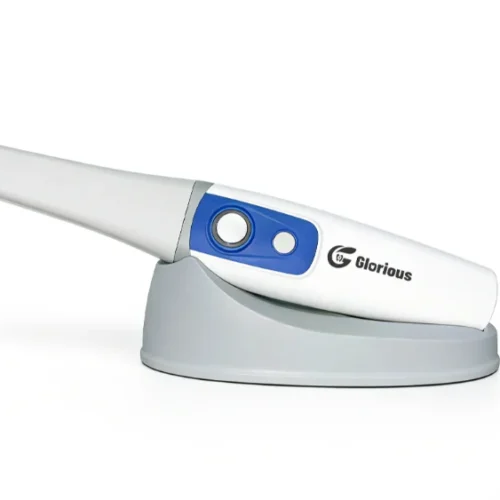
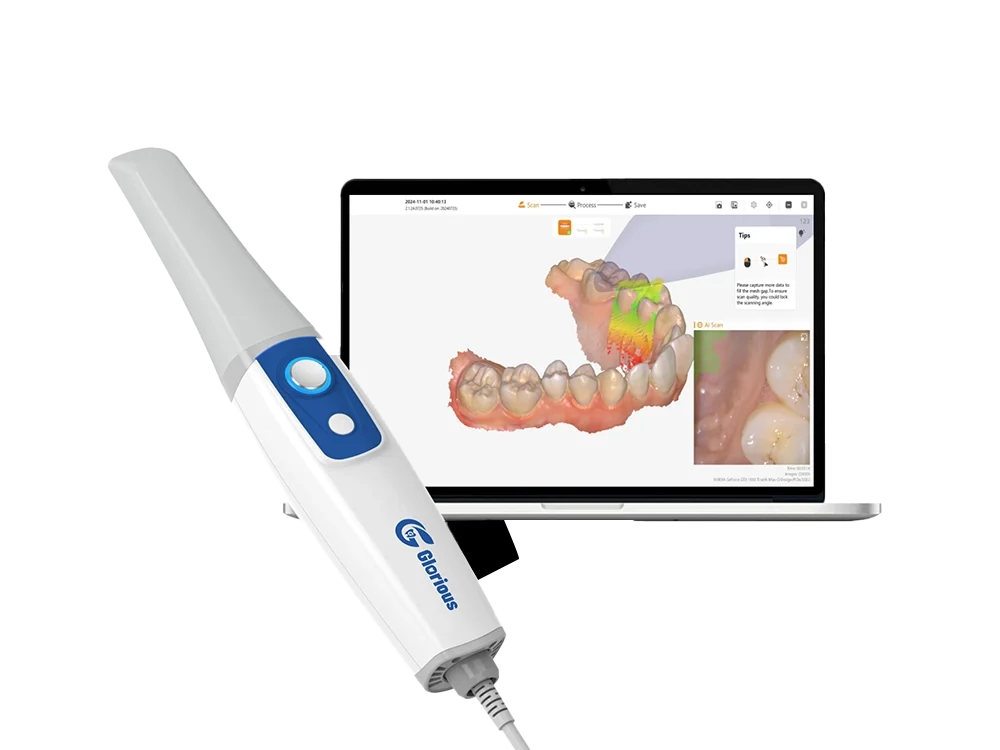
Dental Intraoral Scanner

• Data cloud platform upload 

• High precision: Scans up to a depth of 25 millimetres

• AI analyses occlusion /AI Oral Health Report Analysis

• Button control, switch between upper and lower jaw with one key

PT16 Ultra

• 16K high-resolution screen

• Maximum printing speed: 60mm/h

• Compatible with various 405nm and 385nm resin materials

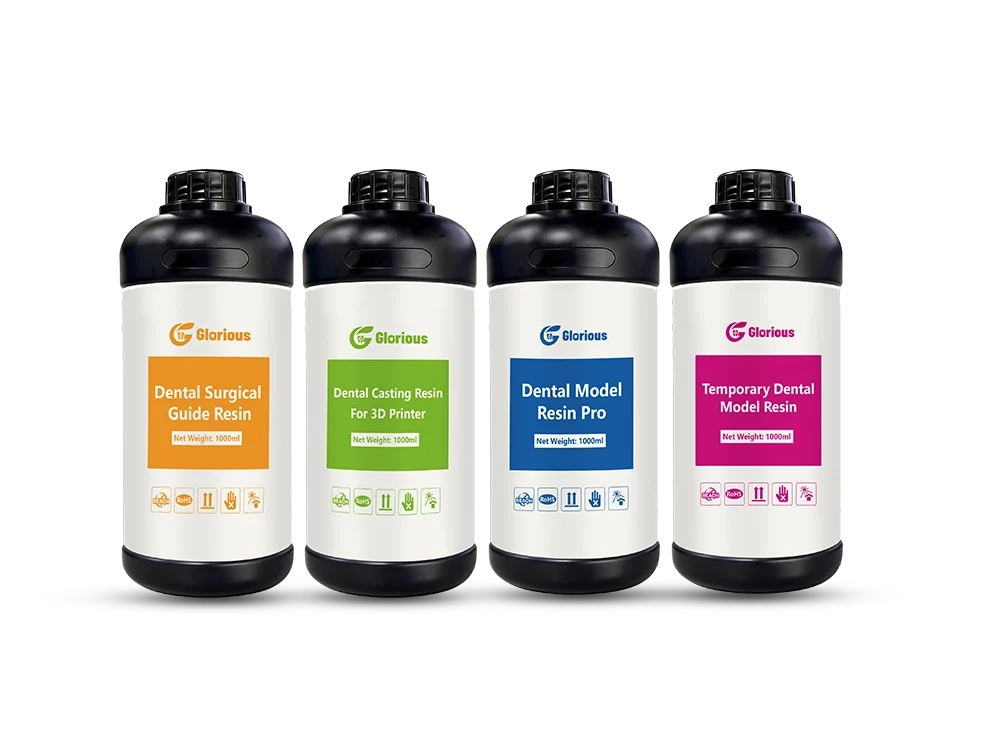
Dental resin

Resin liquid

• Compatible with multiple printers

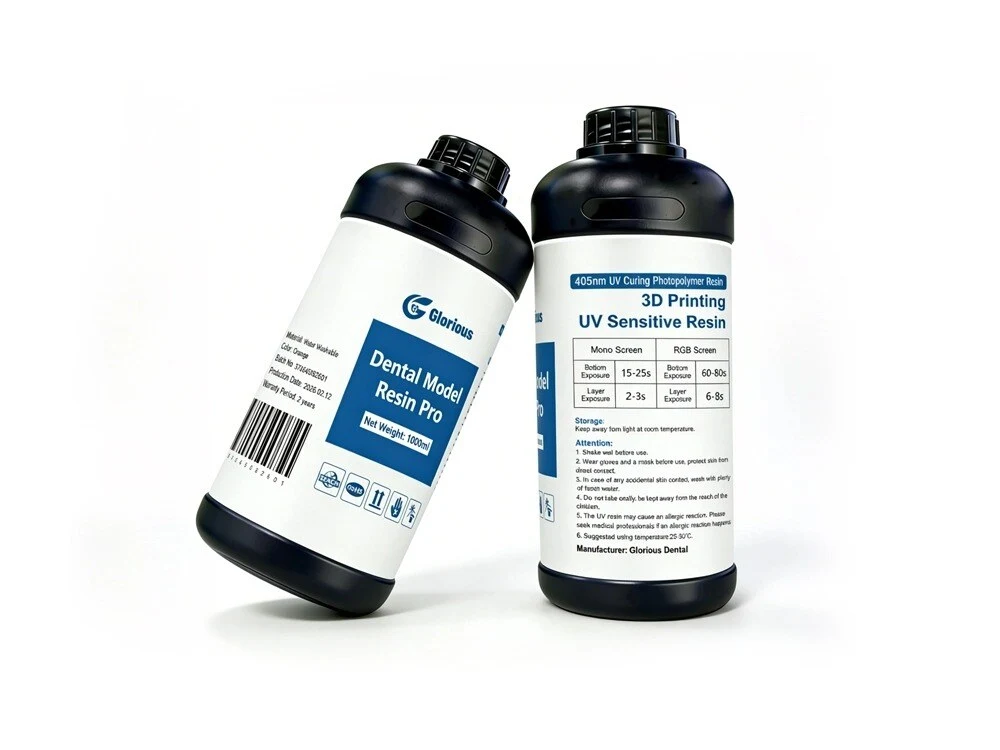
• Moderate viscosity and good flowability

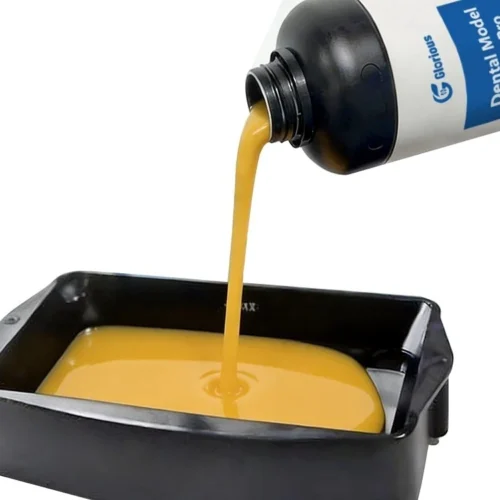
• It can print various types of restorations, including temporary teeth, models, guides, and denture bases.

Metal Printing

──

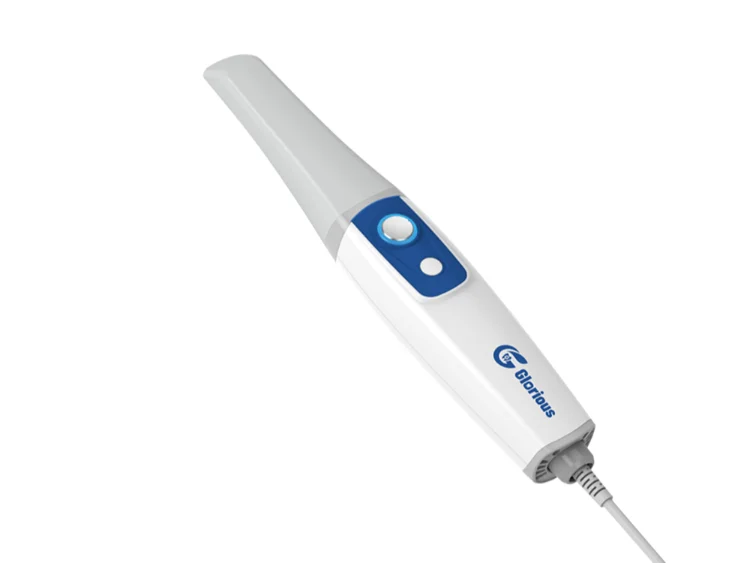
Dental Intraoral Scanner

• Data cloud platform upload 

• High precision: Scans up to a depth of 25 millimetres

• AI analyses occlusion /AI Oral Health Report Analysis

• Button control, switch between upper and lower jaw with one key

dental metal printer

Dental 3D metal printer

• Prints 300 teeth at a time in ~3 hours.


• Prints 300 frameworks at a time in 3–4 hours.

• It processes highly complex dental restorations without any angle restrictions.

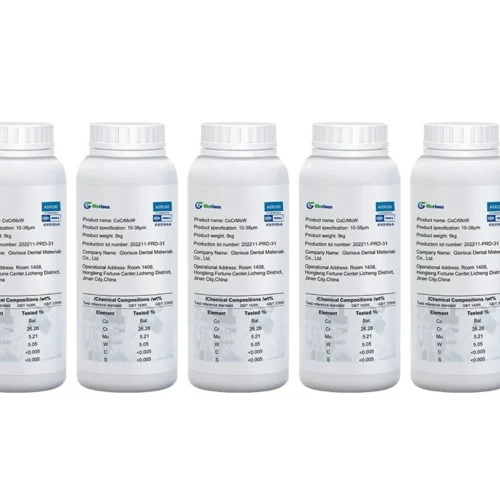
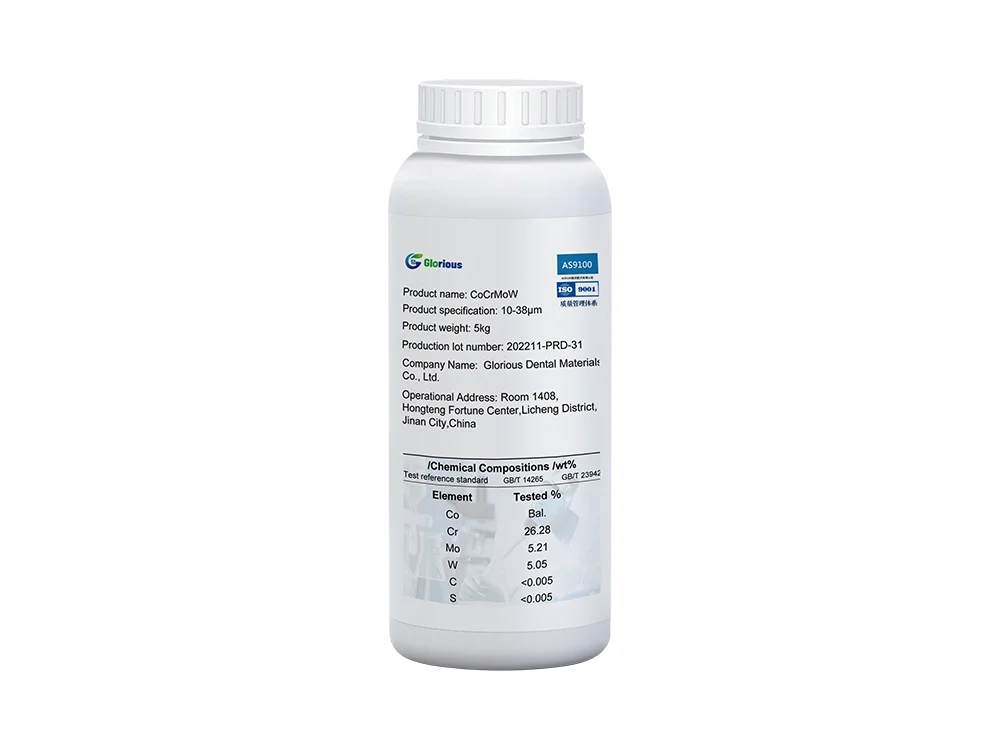
CoCrMon metal powder

• Specifications: 10-38μm

• It has good biocompatibility and corrosion resistance.

• Thermal expansion and Porcelain powder material matching

metal powder

Workflow
──

A typical CAD / CAM printer workflow includes the following steps:

── Need More Information?
We're here to support you.

Our team is available 24/7 to support your dental laboratory needs.

If you would like to learn more about our dental milling machines and digital dentistry solutions, feel free to contact our specialists or send us your inquiry through the contact form.

Get a Quote Contact Us

Frequently Asked Questions
──

Resin printers are mostly used for printing resin models, temporary teeth, implant guides, orthodontic guides, and cast wax-type teeth.

Metal printers are mostly used to print metal inner crowns or full crowns, implant abutments, removable dental frameworks, implant guides, and implant maron bridges, etc.

1.Unrestricted by traditional cutting methods, it can process more complex or angled restorations.

2.More restorations can be processed at once, and the cycle time is shorter.

3.Reduced costs, high material utilization, and virtually no waste materials

4.It is basically suitable for processing restorations in multiple procedures such as fixed, implant, orthodontic, and removable restorations.

Depending on the type of restoration, resin printers use materials such as temporary dental resin, model resin, implant guide resin, casting wax model resin, and gingival resin.

Metal printers use metal powders such as titanium, cobalt-chromium alloy, and nickel-chromium alloy, depending on the material properties.